Healthdirect Free Australian health advice you can count on.

Medical problem? Call 1800 022 222. If you need urgent medical help, call triple zero immediately

healthdirect Australia is a free service where you can talk to a nurse or doctor who can help you know what to do.

Globe Icon 표시 언어:
Dropdown Arrow
Globe Icon

이 페이지는 Google 번역을 사용하여 번역되었습니다. 우리의 이용 약관에서 자세히 알아보세요. 번역 품질에 대한 피드백을 제공하려면 feedback@healthdirect.org.au로 이메일을 보내주세요.

beginning of content

쇄골 골절 (쇄골 부러짐)

주요 사실

  • 쇄골 골절(빗장뼈 부러짐)은 쇄골에 직접적인 외상이 가해져 발생합니다.
  • 쇄골 골절은 15세에서 25세 사이의 젊은층과 노인층에서 가장 흔하게 발생합니다.
  • 쇄골 골절은 심한 통증을 유발하고 팔을 움직이기 어렵게 만들 수 있습니다.
  • 골절 후 최소 12주 동안은 접촉 스포츠를 할 수 없습니다.
  • 쇄골 골절을 완전히 예방할 수는 없지만, 자전거 타기와 같은 활동 중에 안전 장비를 사용하면 위험을 줄일 수 있습니다.

쇄골 골절(빗장뼈 골절)이란 무엇인가요?

쇄골 골절은 흔히 빗장뼈 골절이라고도 합니다. 쇄골은 어깨에서 목까지 이어지는 긴 입니다. 쇄골 골절의 가장 흔한 원인은 쇄골에 직접적인 충격이나 외상입니다.

쇄골 골절은 보통 뼈의 중간 부분에서 발생합니다. 하지만 어깨 부근(외측)의 끝부분에서도 발생할 수 있습니다.

쇄골 골절은 목에 가장 가까운 뼈 끝부분(내측)에서 발생할 가능성이 훨씬 낮습니다.
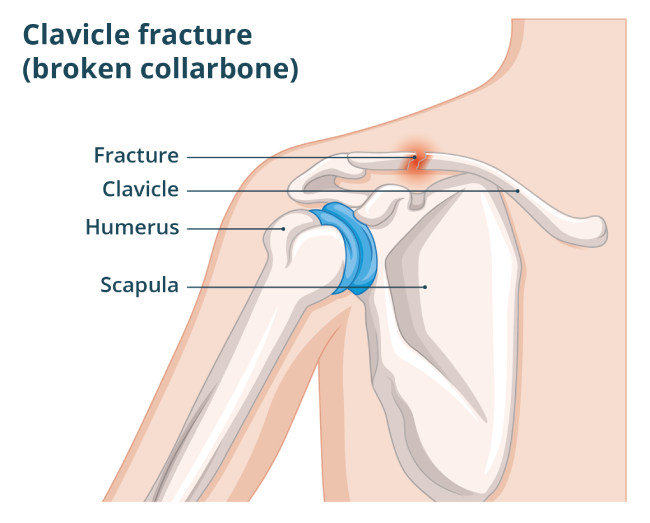
쇄골 골절을 보여주는 그림.
쇄골 골절(빗장뼈 골절).

쇄골 골절의 증상은 무엇인가요?

쇄골 골절이 있는 경우 심한 통증을 느끼고 팔을 움직이기 어려울 수 있습니다. 또한 다음과 같은 다른 증상이 나타날 수도 있습니다.

  • 어깨가 아래로 처지거나 앞으로 기울어질 수 있습니다.
  • 통증 때문에 팔을 들어 올리지 못할 수도 있습니다.
  • 팔을 들어 올리려고 할 때 뼈가 갈리는 듯한 느낌이 들 수 있습니다.
  • 파손 부위 주변에 융기가 생길 수 있습니다.
  • 쇄골 주변에 이나 부기가 생길 수 있습니다.

쇄골 골절을 경험한 사람들은 부상 당시 '뚝' 하는 소리를 들었다고 설명합니다.

어린아이들도 쇄골이 부러질 수 있습니다. 쇄골 골절을 일으키는 사고는 눈에 띄지 않을 수도 있습니다. 따라서 아이가 보이는 유일한 증상은 다친 팔을 사용하지 않는 것일 수 있습니다.

증상을 확인하세요증상 확인 도구 를 사용하여 의료 지원이 필요한지 알아보세요.

쇄골 골절의 원인은 무엇입니까?

쇄골 골절은 다음과 같은 경우에 발생할 수 있습니다:

  • 운동 중처럼 어깨에 직접 떨어지는 경우
  • 뻗은 팔 위로 떨어지세요
  • 교통사고를 당한 적이 있다
  • 자전거나 말에서 떨어지다
  • 스포츠 배트와 같은 물체에 쇄골을 직접 맞았을 경우

다음과 같은 사람들은 쇄골 골절 위험이 더 높습니다.

  • 남성
  • 15세에서 24세 사이의 사람들
  • 65세 이상의 여성
  • 골다공증 환자들
  • 담배를 피우거나 술을 마시는 사람들
  • 수면 시간이 부족한 사람들 (하루 7시간 미만)

출산 중 아기의 어깨가 산도에 걸리면 쇄골 골절이 발생할 수 있습니다.

언제 의사를 만나야 할까요?

넘어지거나 사고를 당해 쇄골을 다친 것 같으면 의사의 진찰을 받으십시오.

의료 서비스 찾기서비스 찾기를 통해 의사, 약국, 병원 및 기타 의료 서비스를 찾을 수 있습니다.

응급 진료가 필요한 시점

골절이 큰 사고로 인한 것이라면 000번으로 전화하여 구급차를 요청하십시오.

다음과 같은 경우에는 응급 진료를 받으셔야 합니다:

  • 개방 골절이 발생했어요. 뼈 끝부분이 피부 밖으로 튀어나와 있는 상태예요.
  • 팔에 새로운 저림이나 힘이 빠지는 느낌이 듭니다.
  • 피부가 부러진 뼈 위로 팽팽하게 당겨져 있습니다.
  • 숨쉬기가 힘들어요
  • 몸이 매우 불편하거나 어지러움을 느낍니다.

교통사고와 같은 심각한 사고를 당했다면 즉시 응급 치료를 받아야 합니다.

쇄골 골절은 어떻게 진단하나요?

의사는 무슨 일이 있었는지 물어보고 어깨 주변에 부기나 혹이 있는지 진찰할 것 입니다. 또한 환자의 병력에 대해서도 질문할 것입니다.

쇄골 골절 여부를 확인하려면 엑스레이 촬영이 필요합니다.

의사에게 질문하세요 — 진료 예약 준비 중이신가요? 질문 작성 도구를 활용하여 주치의나 전문의에게 어떤 질문을 할지 미리 생각해 보세요.

쇄골 골절은 어떻게 치료하나요?

팔걸이를 착용하여 편안함을 유지하고 어깨가 회복되는 동안 올바른 위치를 유지하도록 할 수 있습니다. 팔걸이는 1~2주 동안 착용해야 합니다.

뼈가 완전히 아물려면 최대 8주가 걸릴 수 있습니다. 하지만 2~3주 후에는 통증이 줄어들고 팔을 더 잘 사용할 수 있게 될 것입니다.

쇄골이 아물 때까지 정기적으로 의사의 진료를 받으셔야 합니다. 의사는 뼈가 잘 아물고 제 위치에 있는지 확인하기 위해 어깨 엑스레이를 찍을 것입니다.

뼈가 아물면서 의사는 물리치료사 에게 진료를 받도록 권유할 수도 있습니다.

집에서 하는 셀프케어

집에서 회복하는 동안 다음과 같은 일을 할 수 있습니다.

  • 푹 쉬시고 통증을 악화시키는 행동은 삼가세요.
  • 통증과 부기를 완화하기 위해 2시간마다 20분씩 얼음찜질을 하세요.
  • 팔꿈치, 손가락, 손을 편안하게 움직일 수 있을 때 움직이세요.
  • 통증이 심하지 않다면 짧은 시간 동안 팔걸이를 빼놓으세요.

쇄골 골절이 있으면 잠을 자기가 어려울 수 있습니다. 가슴 주변에 베개를 모아 상체를 세운 자세로 자 보세요. 이렇게 하면 다친 쪽으로 몸을 돌리는 것을 방지하는 데도 도움이 될 수 있습니다.

골절 후 처음 24~48시간이 지나면 잠자는 것이 더 쉬워질 것입니다.

뼈가 완전히 아물면 서서히 일상 활동으로 돌아갈 수 있습니다. 담당 의사가 언제쯤 안전하게 일상 활동을 재개할 수 있는지 알려줄 것입니다.

골절 후 최소 10~12주 동안은 접촉 스포츠에 참여해서는 안 됩니다.

쇄골 골절 치료제

뼈가 아물면서 통증이 발생할 수 있으므로 파라세타몰 과 같은 진통제를 복용하시면 도움이 됩니다.

부상 후 처음 며칠 동안은 보통 진통제를 규칙적으로 복용합니다. 어떤 약을 복용해야 하는지에 대한 자세한 정보는 의사나 약사와 상담하십시오.

의사의 지시대로 약을 복용하는 것이 중요합니다.

다른 치료 옵션

대부분의 사람들은 쇄골 골절에 수술이 필요하지 않습니다.

다음과 같은 경우 수술이 필요할 수 있습니다.

  • 부러진 쇄골뼈가 피부를 밀어내고 있습니다.
  • 부러진 뼈가 너무 많이 움직입니다.
  • 골절은 뼈 끝부분 근처에서 발생했습니다.

쇄골 골절의 합병증은 무엇인가요?

쇄골 부위, 즉 뼈가 아물면서 혹이 생길 수 있습니다. 이를 가골이라고 하며, 뼈가 완전히 아문 후에도 대부분 남아 있습니다. 어린이의 경우, 이 혹은 저절로 사라질 가능성이 더 높습니다.

쇄골 골절 후 어깨와 팔의 근력이 다소 약해질 수 있습니다. 통증이 줄어들기 시작하면 의사는 어깨 운동을 권할 수 있습니다. 이러한 운동은 어깨의 뻣뻣함과 약화를 완화하는 데 도움이 됩니다.

쇄골 골절의 다른 합병증으로는 다음과 같은 것들이 있습니다:

  • 수술 후 감염
  • 골절 변위 — 골절 부위가 더 벌어짐
  • 골절 부정유합 — 골절 부위가 잘못된 위치에서 아물게 되는 현상
  • 골절 불유합 — 골절 부위가 제대로 아물지 않는 상태

흡연을 하면 골절의 부정유합이나 불유합이 발생할 확률이 높아질 수 있습니다.

쇄골 골절을 예방할 수 있을까요?

쇄골 골절을 완전히 예방할 방법은 없습니다.

하지만 이러한 골절은 종종 사고로 발생합니다. 쇄골 골절 위험을 줄이는 몇 가지 방법은 다음과 같습니다.

  • 스포츠 경기 시 안전 장비 착용
  • 자신이 하는 활동에 적합한 훈련을 받는 것
  • 운전할 때 안전벨트를 착용하는 것처럼 해당 활동에 맞는 장비를 사용하는 것

자원 및 지원

  • 타운스빌 병원 및 보건 서비스는 쇄골 골절 후 대처 방법에 대한 안내 자료를 제공합니다.
  • 멜버른 왕립 어린이 병원은 쇄골 골절을 입은 어린이를 돌보는 방법에 대한 정보를 제공합니다.
  • 건강 정보 안내에는 쇄골 골절에 대한 정보가 영어 및 기타 언어로 제공됩니다. 탐색 메뉴에서 '언어'를 선택하고 원하는 언어를 고르세요.

빅토리아 주에서는 '간호사 상담'으로 알려진 1800 022 222번 으로 헬스다이렉트 헬프라인에 전화하실 수도 있습니다. 등록된 간호사가 24시간 연중무휴로 상담을 제공합니다.

여기에서 healthdirect 콘텐츠의 개발 및 품질 보증에 대해 자세히 알아보세요.

최종 검토일: 2025년 9월


Globe Icon

Back To Top

번역된 정보가 명확하고 이해하기 쉬웠습니까?

Need more information?

These trusted information partners have more on this topic.

Top results

Prevent Broken Bones - Healthy Bones Australia

Poor bone health can lead to breaking a bone. This can have a big impact on the individual, their family, and is a serious medical consequence of having

Read more on Healthy Bones Australia website

Decreasing the risk of falls and fractures | Fact Sheet | Australasian Menopause Society Hub

Download: Decreasing the risk of falls and fractures | Fact Sheet MAIN POINTSFalls and fractures can happen at any age, but the risk increases as women age.Falls in older people are more likely to cause more severe injuries.Low bone density, low muscle strength and poor balance are more likely as women age and increase the risk of falls.Improving your bone health can also help decrease the risk of falls and decrease the severity of any injuries or other consequences if you do fall.Appropriate physical activity can help decrease several fall risk factors.Speak with your doctor, assess your overall health and make changes to decrease your risk of a fall.You can reduce your risk of having a fall. The years before, during and after menopause are great times to speak with your doctor, assess your overall health and make changes to decrease your risk of a fall.By the numbers – falls and fractures in women after the age of 40Between the ages of 40 and 60 years, women begin to experience a decrease in the ability to balance and a decrease in bone density. Both of these changes contribute to the likelihood of both a fall and more severe outcomes after a fall. Here are some statistics showing the increase in the risk of falls as women age:After the age of 50, one in two women will break a bone at some stage during the rest of her life because of a fall.One in five women will fall each year before she reaches the age of 60.One in three women will fall each year after the age of 65.One in two women will fall each year after the age of 80.In older people, 30 per cent of falls result in more severe injuries such as head trauma, hip fracture, other fractures and dislocations. Of the hip fractures in older people, more than 90 per cent are caused by a fall – 25 per cent of people with hip fractures die within 12 months and 25 per cent never regain full mobility. After a fall, older people can also lose confidence and become less physically and socially active.Factors increasing the risk of falls and fracturesA proper review of your risk of falls and bone fractures can be performed by healthcare professionals. Self-assessment tools are also available to help you to uncover any risk factors. Your risk of having a fall increases if you have:low bone density / osteoporosis – women 60 years or older with osteoporosis have twice the risk of fallingdecreased strength in your lower bodydecreased balance, reaction time and postural stabilitya history of previous fallsother medical conditions including (but not limited to) – hearing and vision problems, heart disease, incontinence or dementia.Decreasing your risk of falls and fracturesYour doctor can suggest steps you can take to decrease your risk of falls. These include:increasing muscle strength through physical activitymaintaining or improving your bone density (see section below)improving your mobility through physical activityimproving balance through physical activityhaving your vision and hearing checkedmaking sure your footwear is appropriatereviewing your environment for tripping hazardsspeaking with your doctor if you have a fear of falling or feel physically or socially restricted.Maintaining or improving your bone health decreases the risk of falls and fractures and may decrease the severity of injuries or other consequences if you do fall.You can improve your bone health with:physical activity to improve bone density, muscle strength, mobility and balance – weight-bearing activities or strength training can improve your muscle strength, bone density and mobility, while activities such as Tai Chi, yoga or Pilates can improve balanceadequate calcium intake – a minimum of 1200g per day, preferably from dietary sourcesVitamin D – helps calcium absorption and maintains bones. Low vitamin D blood levels are common in Australia and you may need supplements if your blood levels are lowanti-osteoporosis medications, including menopausal hormone therapy (MHT), can reduce the risk of a first fracture and especially further fractures by up to 70%.Where can I find more information?Lifestyle and behaviour changes for menopausal symptoms (See AMS fact sheet Lifestyle and behaviour changes for menopausal symptoms)Osteoporosis (healthybonesaustralia.org.au)Calcium Supplements (See AMS information sheet Calcium supplements)Self-assessment tool: Are you at risk of osteoporotic fracture?Self-assessment tool: Know your bonesIf you have any concerns or questions about options to manage your menopausal symptoms, visit your doctor or go to the Find an AMS Doctor service on the AMS website.

Read more on Australasian Menopause Society website

Fractures in babies, children & teens | Raising Children Network

Fracture symptoms in children include pain, swelling and a lump. If you’re worried your child has a fracture, see your GP or go to an emergency department.

Read more on raisingchildren.net.au website

Bone fractures | Better Health Channel

Common sites for bone fractures include the wrist, ankle and hip.

Read more on Better Health Channel website

Fracture / dislocation – St John Australia

Read more on St John Ambulance Australia website

Kids Health Info : Fracture care: arm

Read more on Royal Children's Hospital website

Kids Health Info : Fracture care: leg

Read more on Royal Children's Hospital website

Kids Health Info : Fracture care: supracondylar elbow

Read more on Royal Children's Hospital website

Kids Health Info : Fracture care: wrist

Read more on Royal Children's Hospital website

Kids Health Info : Fractures (broken bones)

Read more on Royal Children's Hospital website

Healthdirect 24hr 7 days a week hotline

24 hour health advice you can count on

1800 022 222

Government Accredited with over 140 information partners

We are a government-funded service, providing quality, approved health information and advice

Australian Government, health department logo ACT Government logo New South Wales government logo Northern Territory Government logo Queensland Government logo Government of South Australia logo Tasmanian government logo Victorian government logo Government of Western Australia logo

Healthdirect Australia acknowledges the Traditional Owners of Country throughout Australia and their continuing connection to land, sea and community. We pay our respects to the Traditional Owners and to Elders both past and present.