Natural disasters
If you need urgent help from police, fire or ambulance services, call triple zero (000). For emergency help during any other natural disaster such as floods, storms and tsunamis, contact your State Emergency Service (SES) on 132 500.
Key facts
- Natural disasters include events such as bushfires, floods, storms and earthquakes.
- Being ready and informed is the best way to prepare for a natural disaster.
- Common feelings when coping with a natural disaster are shock, anger and sadness.
- After a natural disaster, you may be eligible for assistance from the government.
What is a natural disaster?
Natural disasters in Australia can include:
- heatwaves and bushfires
- droughts
- floods
- severe storms and tropical cyclones
- earthquakes
- tsunamis
- landslides
Natural disasters can be tough on people and their communities, and can even lead to loss of life. Here are some tips to get ready and how to cope during and after extreme weather events.
How can I prepare for a natural disaster?
It’s best to prepare for a natural disaster or emergency before it happens. These events are becoming more frequent, can be more severe and can happen suddenly.
The Australian Red Cross offers an emergency REDiPlan, which you can download and fill out, or download their Get Prepared app. This outlines 4 steps to prepare your household for an emergency such as a natural disaster:
- Step 1: Get in the know — Learn about the dangers you are likely to face in your area and how to manage your stress. Find out who can help and know where to get information from in an emergency. The official emergency broadcaster is the ABC. You can find your radio frequency at ABC Local Radio.
- Step 2: Get connected — Decide on a meeting place with all members of your household, including children, and connect with people in your community who could help you in an emergency. Keep handy a list of phone numbers of people you can talk to and who can help you in an emergency.
- Step 3: Get organised — Get or update your insurance, store important documents somewhere safe, and keep copies in a safe place other than your home. Plan what to do with pets or livestock.
- Step 4: Get packing — Before an emergency or natural disaster, think about and pack the things you might need. The Red Cross suggests you should pack:
- important documents such as passports, wills, land titles, mortgages or insurance papers
- food, water and some cash
- warm, waterproof clothing and comfortable shoes
- torch and batteries
- radio and batteries, mobile phone and device chargers
- first aid kit, your medicines and prescriptions
- pet essentials
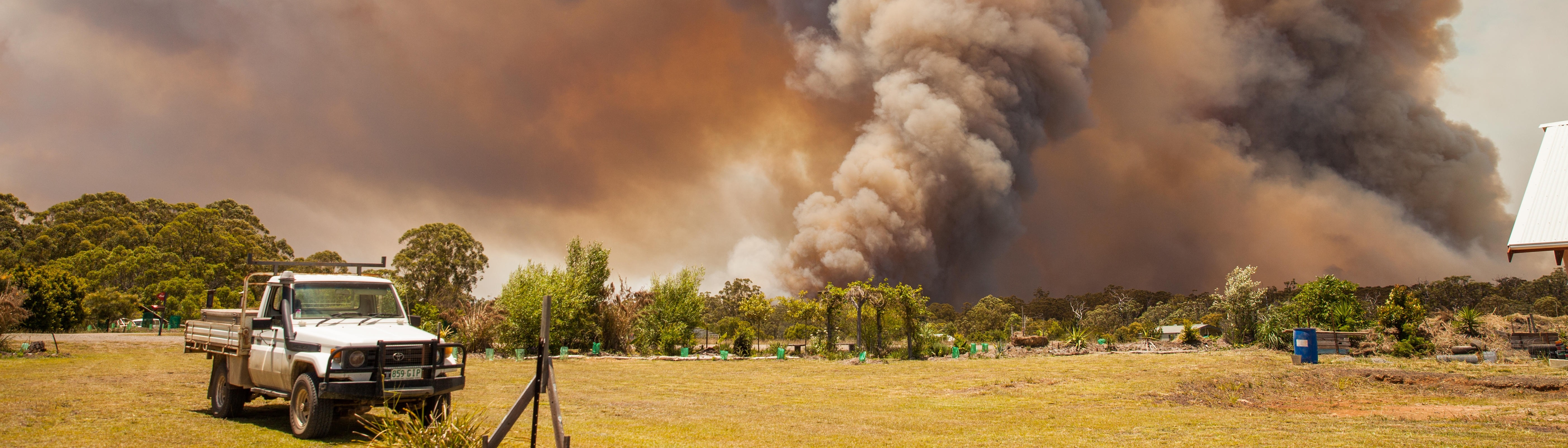
Bushfires and your health
Understand your level of bushfire risk so you can prepare your property and protect your health.
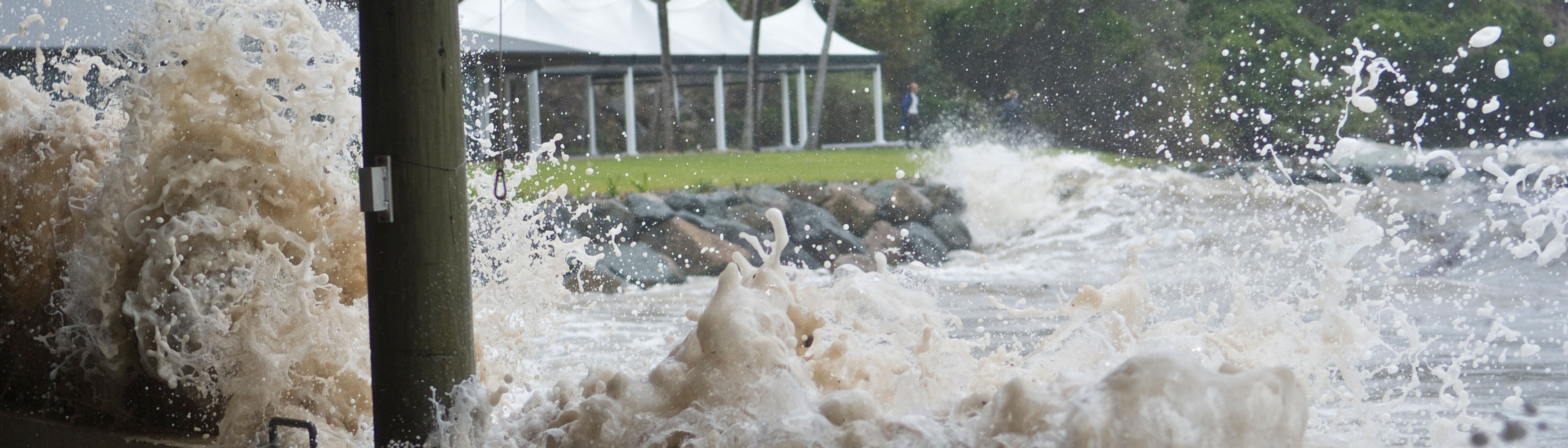
Health risks after a cyclone or flood
Learn about some of the health risks and hazards that can occur during floods and cyclones.
How do I find weather and disaster alerts?
In Australia, the Australian Warning System (AWS) is used to share important information about natural disasters. It’s a national system with consistent icons, colours and messages. This ensures that no matter where you are in the country, you’ll know what each warning means and what to do.
You can find official alerts on:
- your state or territory emergency service website
- the Australian Bureau of Meteorology website or app
- ABC Emergency and local ABC radio
Warning levels
There are three main AWS warning levels, each with a colour and clear “call to action”:
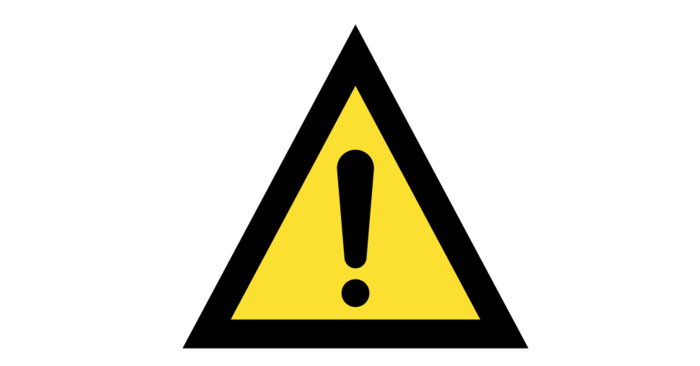
Advice
(Yellow)
There is no immediate danger. Stay up to date in case conditions change.
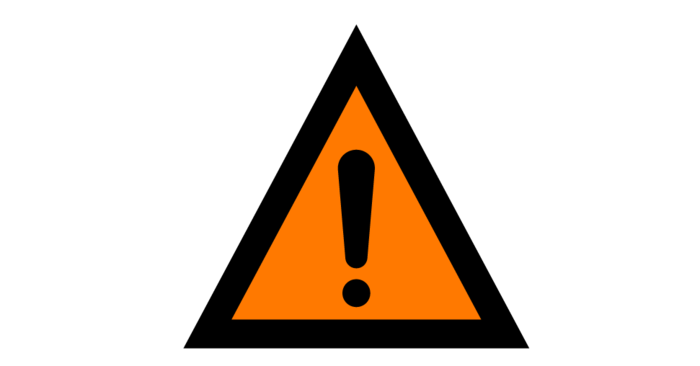
Watch and Act
(Orange)
The threat is increasing. Prepare to act now to protect yourself and your family.
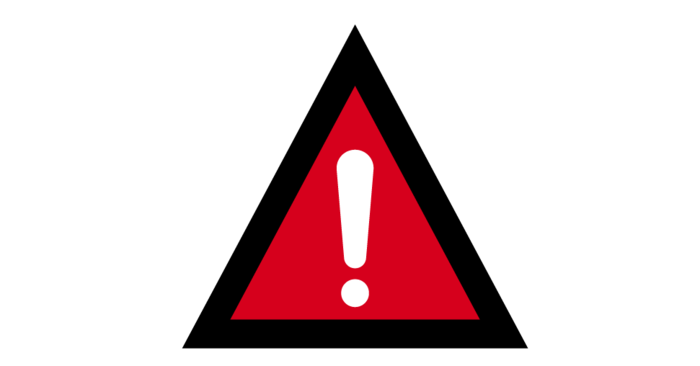
Emergency Warning (Red)
The highest level. You may be in danger and must take immediate action.
You might also hear the Standard Emergency Warning Signal (SEWS), a unique siren that plays on the radio or television before an important safety message.

Listen to the Standard Emergency Warning Signal from the NSW Rural Fire Service (RFS).
In some situations you may receive emergency alerts on your phone. Emergency Alert is the government-funded national telephone-based warning system that makes calls to landlines and texts to mobile phones. Emergency Alerts are not always guaranteed. It is important to be aware of what is happening around you and for you to act the moment you know there is danger.
How can I emotionally prepare for a natural disaster?
Getting emotionally ready for natural disasters is important. It can help you feel more confident and in control. This helps you make better emergency plans. It can also help lower your stress and reduce long-term mental health problems that may happen from the trauma of being in a natural disaster.
The Australian Psychological Society outlines 4 steps to being psychologically prepared, using the acronym ‘AIME’ (for Anticipate. Identify. Manage. Engage):
| Letter | Representing | What to do |
|---|---|---|
| A | Anticipate | Anticipate that you will feel worried or anxious and remember these are normal responses to a possible life-threatening situation. |
| I | Identify | Identify the exact physical feelings associated with anxiety and whether you are having any scary thoughts that are adding to the fear. |
| M | Manage | Manage your responses using controlled breathing and self-talk to stay as calm as possible so you can focus on the practical tasks that need your attention. |
| E | Engage | Engage with at least one person you trust to help you feel connected, more supported and less alone. |
Read about preparing children for a natural disaster on Pregnancy, Birth and Baby’s website.
How can I cope during a natural disaster?
Being ready and knowing what to expect can help you cope during a natural disaster. It is important to stay safe, connected and informed, and follow your emergency plan.
Tips on how to cope during a natural disaster:
- If you feel your home is at risk, or you have been told to leave, you should make your way to an emergency evacuation centre. An evacuation centre provides basic, essential needs to people who are affected by a natural disaster.
- Check your local council's website or social media pages if you do not know where evacuation centres are. Register yourself as 'safe' or locate family or friends in a disaster-affected area at the Red Cross website Register.Find.Reunite.
Call triple zero (000) in life-threatening emergencies and for bushfires. If calling triple zero (000) does not work on your mobile phone, try 112. For emergency help during any other natural disaster such as a flood, storm or tsunami, contact your State Emergency Service (SES) on 132 500.
How can I cope after a natural disaster?
After the disaster is over, it may still affect you emotionally. Common feelings include shock, anger, helplessness, sadness and fear. You may worry about the safety of family and friends, or about another disaster happening again.
These are all normal feelings. Talk about it and seek support from friends, family and your community.
You can also talk to your doctor to access support that could help you after a disaster, or to organisations such as Beyond Blue and Lifeline.
Am I eligible for financial help?
You may be eligible for help with your finances.
Check your insurance policy or call your insurer to find out what’s covered.
The Australian Government Disaster Assist website provides information about financial assistance following a natural disaster. You may be eligible for natural disaster support.
Visit Services Australia for more information.
Resources and support
You can find more resources and support at:
- Visit the Australian Red Cross, call 1800 733 276 or download their preparedness RediPlans for people of all ages and abilities.
- The Australian Government Emergency Management website.
- Australian emergency services organisations.
- Visit Lifeline, or call 13 11 14 — a 24-hour counselling service.
- Services Australia — getting financial help after a natural disaster.
- Griefline supports anyone experiencing grief and offers resources and support so you don't feel alone. Call 1300 845 745.
- National Relay Service (NRS) can help if you’re d/Deaf or find it hard to hear or speak, including how to make an emergency call.
State and territory emergency services
Check the State Emergency Services (SES) available in each state and territory:
- Australian Capital Territory SES
- New South Wales SES
- Northern Territory Emergency Services (NTES)
- Queensland SES
- South Australia SES
- Tasmania SES
- Victoria SES
- Western Australia SES
Languages other than English
- The Australian Red Cross offers resources on preparing for disasters, translated into multiple community languages.
- You can contact TIS National on 131 450 (within Australia) for translating and interpreting services during a disaster.
- The Queensland Government has disaster recovery information in a range of community languages.
Learn more here about the development and quality assurance of healthdirect content.
Last reviewed: August 2025