Teenagers' health
Puberty is an important stage in every teenager’s life, bringing about a range of physical and emotional changes, which can include acne, depression and glandular fever. It’s important for teens and their families to understand how best to support teenage health. The following articles will help you learn what to expect, providing practical advice and information for a healthier teenage journey.

Acne
Acne is a common condition that causes spots or pimples on your skin. Learn more about acne, what causes it and how you can treat acne here.
Anxiety in teenagers
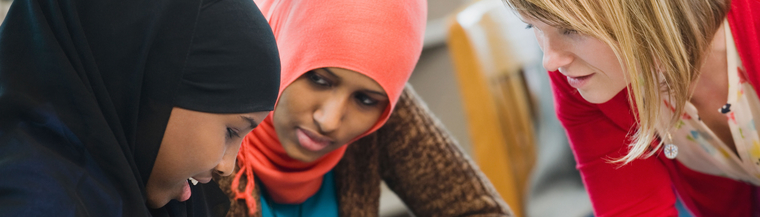
Anxiety and anxiety disorders can impact your teenager’s life. Find out more about the symptoms, treatment and how to help your teen with anxiety.

Depression in young people
Signs of depression in young people include changes in how they think, feel or behave, and physical changes. Get tips on how to seek help.

Eating disorders and body image
An estimated 1 million Australians experience a type of eating or body image disorder. But treatment is available to help them lead healthier lives.

Glandular fever
Glandular fever (also called 'kissing disease') is an infectious disease common in teenagers and young adults. Learn how glandular fever can spread.

Puberty for boys
The male body changes during puberty. Find out about the physical and emotional changes you may experience as you go through puberty and adolescence.

Puberty for girls
During puberty, the female body changes. Learn more about the physical and emotional changes you may experience when going through puberty.

Helping your child through puberty
Puberty can cause different emotional changes. Learn more about how to navigate the challenges of puberty and what support is available.
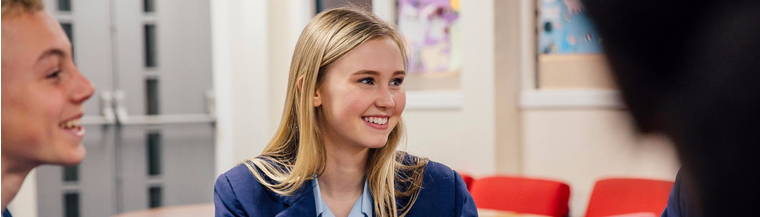
Teenage mental health
Teenagers and adolescents can suffer from mental health issues as they experience new relationships, school, study or starting a new job.
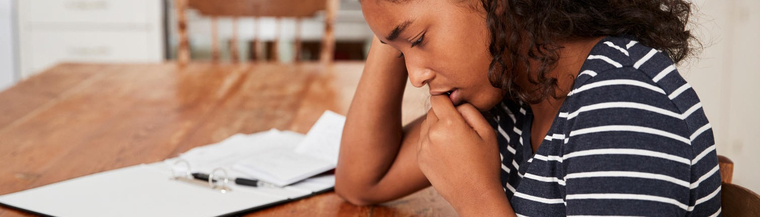
Stress in young people
Learn about stress in young people: it’s causes, symptoms, and tips for managing academic, personal, and social pressures effectively.

Youth suicide
Don't ignore suicide warning signs. Learn how to stay safe if you or someone you know is struggling or feeling suicidal. Learn where to get support.

Balanced diet
It's important to eat a balanced diet. Make sure you choose foods from the 5 food groups. The amounts you need vary depending on your life stage.

Drugs and alcohol
Learn more about alcohol, substance abuse and a range of drugs including marijuana, ice (crystal meth) and MDMA (ecstasy).

Junk food and your health
Eating junk food, and having sweet drinks, can lead to short and long-term health complications such as weight gain, diabetes and heart problems.

Quitting smoking and vaping
Quitting smoking and vaping will improve your health and reduce any health risks, such as cancer. Learn about the different methods like NRT.

Sexual harassment
Sexual harassment is unwanted sexual attention. It can affect your mental health, and is illegal. Learn what to do if you are being sexually harassed.

Sexual health
Learn more about sexual health topics such as contraception options, STIs, and conditions like erectile dysfunction (impotence) and premature ejaculat...

Vaping
Vaping can cause harm to your health. There are laws in place about buying vapes and where you can use them. Learn more.