
Colds and flu
Although colds and the flu can cause similar symptoms, such as a cough, fatigue and sore throat, they are caused by different viruses. For some people, including young children and those with certain medical conditions, the flu can be serious.
Use the links below to learn more about preventing colds and flu, how to take care of yourself and children, and the importance of regular flu vaccination.
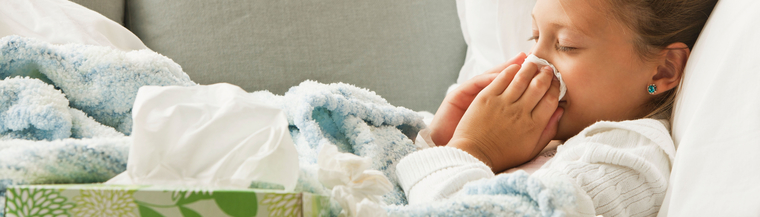
Colds
A cold is a viral infection that affects your nose and throat. Find out about the common cold, including symptoms, treatment and when to see your doct...

Flu (influenza)
Influenza is a viral infection that affects your nose and throat. Find out more about the flu and how to protect yourself by getting vaccinated.
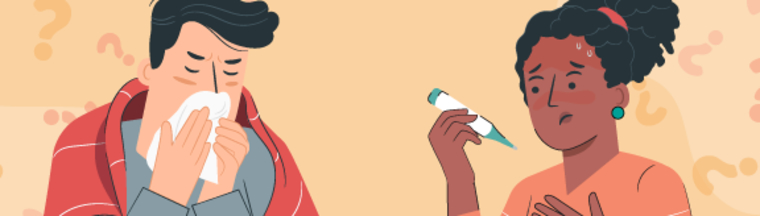
Is it a cold or the flu? – infographic
Can't tell if you've got the cold or the flu? This infographic helps you compare cold and flu symptoms, debunk the most common myths.

COVID-19
COVID-19 is a contagious disease caused by coronavirus SARS-CoV-2. Read about how to avoid infection, when to get tested and treatment for COVID-19.

Flu vaccine FAQs
Frequently asked questions about flu vaccines (flu shots) - why and when to get a flu vaccine, side effects and getting a COVID-19 vaccine at the same...
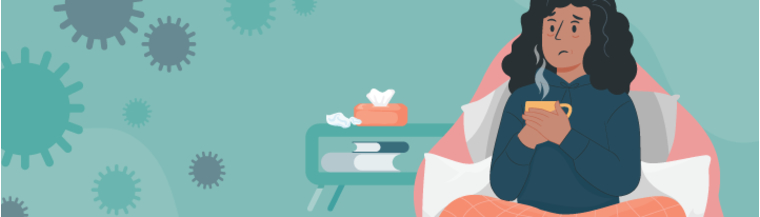
10 tips to fight the flu – infographic
Flu vaccine and good hygiene are some of the most important ways to help prevent colds and flu. Here's a handy list of tips to fight the flu.

Colds and flu during pregnancy and breastfeeding
Colds will often get better on their own, but the flu can be serious when pregnant or breastfeeding. Learn more about treatment and vaccination.

Coughs and colds in children
Coughs and colds in children - treatment, prevention, causes

Cold, flu and COVID-19 medicines
Different medicines can help relieve your cold, flu or COVID-19 symptoms. Learn how to safety take them and when to visit your doctor.

Cold, flu and COVID-19 medicines for children
Some medicines can help relieve your child’s cold, flu or COVID-19 symptoms. Learn what’s safe to give to your child.

Fever
A fever is a body temperature of 38℃ or higher, usually caused by an infection. Learn more about the symptoms, treatment and when to see a doctor.

Fever in children
Fevers are common in children and are usually caused by infection. Find out how to help your child and when to see your doctor.

Cough
Most coughs are caused by viruses that inflame your throat, windpipe or lungs. Here are tips on how to relieve chesty, dry and persistent coughs.

Sneezing
Sneezing is your body’s way of removing irritants from your respiratory tract. Learn more about the causes of sneezing and when to see a doctor.

Hand washing
Hand washing is also one of the most important ways to prevent the spread of infection by the accumulation of germs on your hands.

School exclusion periods
If your child has an infectious illness, you may need to keep them home to stop it spreading at daycare or school. Learn about school exclusion period...