Vitamins and minerals
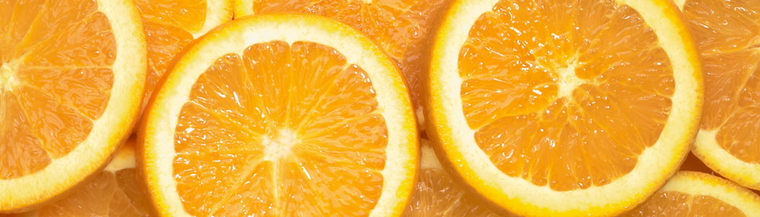
Vitamins and minerals explained
Vitamins and minerals are necessary for the healthy functioning of our bodies. A balanced diet with a variety of foods will meet most of your needs.

Vitamin A
Vitamin A (retinol) is important for your vision, skin and immune system. Most Australians can get enough vitamin A by eating a varied, healthy diet.

Vitamin B
The B vitamins are a group of vitamins needed for good health. Learn what the B vitamins do, and which foods are high in vitamin B.

Vitamin C
Vitamin C is an essential nutrient to stay healthy. Fruits and vegetables are the best source of vitamin C. Here's how you can get enough vitamin C.

Vitamin D
Vitamin D is important for our health. Read about sources of vitamin D from sunlight and foods, and what happens if you don’t get enough vitamin D.

Vitamin E
Vitamin E is important for proper functioning of many of your body's organs. Find out which foods are high in vitamin E and how much you need.

Vitamin and mineral deficiency
Vitamin and mineral deficiencies can cause problems for your health. Learn more about common vitamin and mineral deficiencies here.
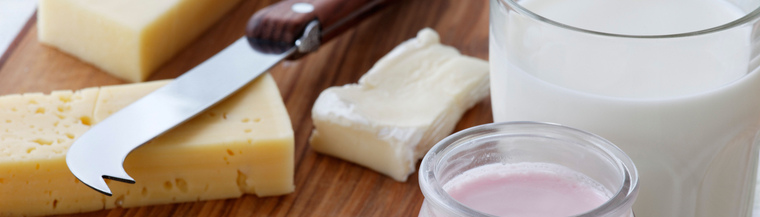
Calcium
Calcium strengthens bones, helps prevent osteoporosis and more. Find out how much you need for your age and how to find good sources of calcium.

Folate
Folate, also called folic acid, is needed by your body to grow and develop. It is especially important for pregnant women to get enough folate.
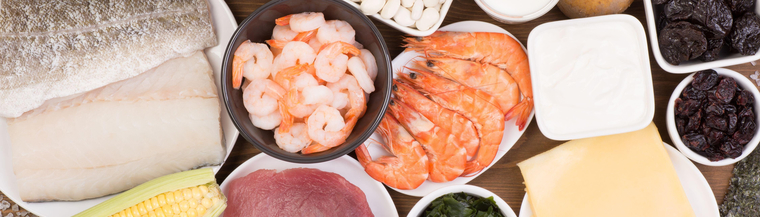
Iodine and your health
Iodine is an essential mineral that your body needs to make proteins and for metabolism. Learn how iodine it affects your health.

Iron
The best sources of iron are animal-based foods like meat and eggs (called 'haem iron'), but many plant-based foods also contain iron (non-haem).
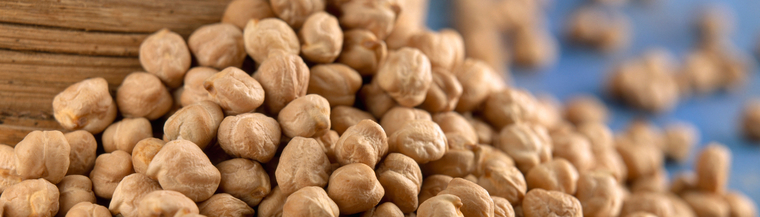
Magnesium
Magnesium is a nutrient essential for healthy muscles, nerves, bones and blood sugar levels. Read about the benefits of getting enough magnesium.
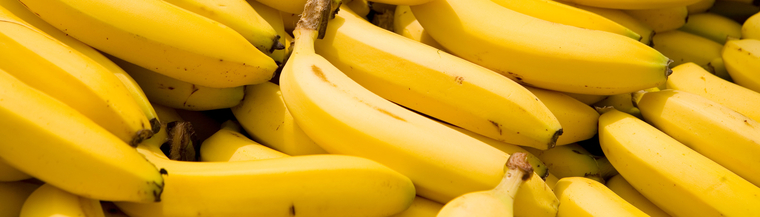
Potassium and your health
Potassium is a mineral that your body needs so that your nerves and muscles function well. Read more about potassium and its impact on your health.

Salt and sodium
Salt is a compound made of sodium and chlorine. Excess salt in your diet can cause health complications. Learn how to lower your salt intake here.

Zinc
Zinc is a mineral that is essential for many of the body's normal functions. Learn how much zinc you need and easy ways to get it from your diet.