
Vasectomy
A procedure that permanently blocks the tubes that carry sperm from the testicles.
Overview
Does it have any other names?
The ‘snip’.
What is it?
A minor surgical procedure that blocks the tubes that carry sperm from the testicles to the penis.
Vasectomy is a permanent way to prevent pregnancy.
What can it be used for?
- Preventing pregnancy.
How it works
How does it work?
A vasectomy is a minor surgical procedure performed in a clinic with local anaesthetic. You are awake but don’t feel pain. The procedure usually takes between 10–30 minutes.
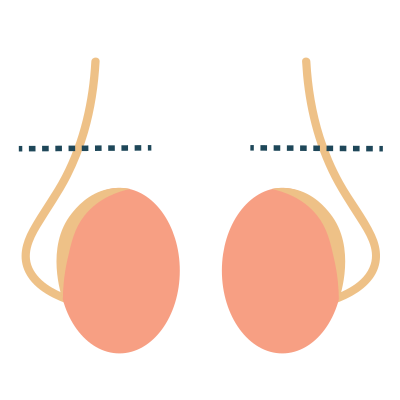
During a vasectomy, a small cut is made to the vas deferens (the tubes that carry sperm from the testicles to the penis). They are then usually sealed or tied. This prevents sperm from reaching the penis and therefore it cannot mix into the semen. This means that ejaculate (cum) does not contain sperm, and an egg cannot be fertilised.
While your semen is sperm-free, it still looks and feels the same. A vasectomy does not affect your hormones, erections, or sex drive.
How quickly does it start working?
A vasectomy does not work straight away. Sperm can still be present in the semen for weeks or months after the procedure. Follow up testing must be done to confirm there is no sperm present before a vasectomy is relied on as a form of contraception. This semen testing is usually done around 3 months (12 weeks) after the procedure.
Effectiveness
How effective is it at preventing pregnancy?
99.9% effective.
What does perfect use look like?
For a vasectomy to work as well as possible, it needs to be done correctly and followed up with checks to confirm it has worked. This means:
- have the procedure performed by a trained clinician
- follow post-procedure care instructions
- use another form of contraception until vasectomy success is confirmed
- have follow-up semen testing as advised to confirm no sperm is present in the semen
- only rely on vasectomy for contraception after vasectomy success is confirmed
Does anything decrease its effectiveness at preventing pregnancy?
Once a vasectomy has been done correctly and follow up testing confirms it has worked, it is one of the most effective forms of contraception. Medicines and everyday activities do not affect how well it works.
However, in very rare cases, the tubes that were cut can reconnect on their own later down the track after a vasectomy. Your specialist will discuss this with you.
Does it prevent sexually transmitted infections (STIs)?
No.
Internal and external condoms are the only types of contraception that protect against STIs.
Usage and considerations
How frequently does it need to be used or replaced?
If successful, a vasectomy is a permanent procedure that will only need to be done once.
In very rare cases where the tubes grow back together, it may need to be repeated.
Will anyone be able to detect if I am using this type of contraception?
You and your partner(s) may be able to see the surgical wounds or scars from the procedure.
Safety and side effects
Are there any side effects?
Most people only have mild side effects following the procedure. These can include:
- short-term pain
- swelling or bruising in the scrotum
- infection
Serious problems are rare, but a small number of people may have lasting discomfort (post vasectomy pain syndrome) or develop a small lump in the scrotum.
Are there any health conditions or lifestyle factors that might prevent me from using this type of contraception?
There are no lifestyle factors which prevent a vasectomy.
Most health conditions do not prevent you from being able to have a vasectomy. However, some medical factors might mean the procedure is not suitable at that time, or extra care or planning is required. Your specialist will discuss this with you.
Access and cost
How do I access it?
You can access a vasectomy at:
- specialist vasectomy clinics
- family planning clinics
- private or public hospitals
- some GPs
You can book a vasectomy directly with a private provider, without a GP referral. However, you may wish to speak to your GP first to learn more about the procedure and whether it is right for you.
A GP referral is required to access a vasectomy in the public health system. Wait times in the public system are almost always longer than in the private system.
What costs do I need to consider?
Most people access a vasectomy in the private system and will generally have out-of-pocket costs between $500–1000. You may get a rebate from your private health insurance if you are covered for this procedure.
If you get a vasectomy in the public system, there will generally be no out-of-pocket costs, but wait times will be longer.
Fertility and future planning
Will it impact my future fertility?
Yes. A vasectomy is a permanent procedure which makes you unable to get someone else pregnant.
While it may be possible to reverse a vasectomy, success rates vary and reversal cannot be guaranteed.
Disclaimer
Last reviewed: August 2026