
Hormonal intrauterine device (IUD)
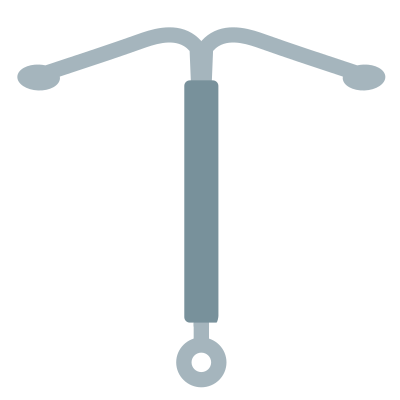
A plastic T-shaped device placed in the uterus for up to 8 years, that slowly releases one hormone (progestogen).
Overview
Does it have any other names?
Hormonal coil, Mirena, Kyleena.
What is it?
A plastic T-shaped device placed in the uterus that slowly releases one hormone (progestogen).
It has two thin, flexible plastic threads attached to the base of the device that pass through the cervix and sit high in the vagina.
There are two types of hormonal IUDs available in Australia:
- Mirena
- Kyleena
What can it be used for?
Some of the more common uses of the hormonal IUD include:
- preventing pregnancy
- regulating periods
- reducing period pain
- reducing heavy period bleeding
How it works
How does it work?
The hormonal IUD works by:
- thickening cervical mucus so sperm can’t get through to the fallopian tubes (where eggs are fertilised)
- thinning the lining of the uterus so if an egg is fertilised, it is less likely to implant to start a pregnancy
- reducing the ability of sperm to migrate into the uterus and fallopian tubes
- interfering with the survival of the egg
- for some people, it may stop ovulation (eggs being released from the ovaries)
Most types of hormonal contraception send hormones around the whole body through the bloodstream. However, the hormonal IUD works within the uterus and only small amounts of hormones enter the bloodstream. This means that people generally experience fewer side-effects using the hormonal IUD compared to other types of hormonal contraception.
How quickly does it start working?
After insertion, the hormonal IUD takes 7 days before it is fully effective at preventing pregnancy. Use backup contraception (e.g. condoms) or avoid having sex for those first 7 days to prevent pregnancy.
Effectiveness
How effective is it at preventing pregnancy?
99.6–99.9% effective.
What does perfect use look like?
- Have the IUD inserted and removed by a trained clinician.
- Be aware of signs that the IUD has moved or fallen out (e.g., cannot feel the strings of the IUD, severe abdominal pain or sudden change in bleeding patterns).
- Have the IUD replaced on time (every 5 or 8 years, depending on the type).
It is a good idea to write down when you got the hormonal IUD inserted, so you can remember when it is time to get it replaced.
Does anything decrease its effectiveness at preventing pregnancy?
The hormonal IUD is very effective and works all the time without you needing to do anything. Medicines and everyday activities do not affect how well it works.
The hormonal IUD is less effective if it:
- moves out of place or falls out
- is past its recommended use time and has not been replaced
If there are signs that the IUD may have moved or fallen out, use another form of contraception (or avoid having sex) and seek immediate advice from a healthcare professional.
Does it prevent sexually transmitted infections (STIs)?
No.
Internal and external condoms are the only types of contraception that protect against STIs.
Usage and considerations
How frequently does it need to be used or replaced?
The Mirena hormonal IUD usually needs to be replaced every 8 years*. The Kyleena hormonal IUD usually needs to be replaced every 5 years.
It can be removed at any time if you don’t want to use it anymore.
*If you are using the Mirena hormonal IUD to also manage perimenopause or menopause while taking oestrogen, it needs to be replaced every 5 years.
Will anyone be able to detect if I am using this method of contraception?
An IUD sits inside the uterus and cannot be seen. You and your partner(s) will usually not feel it during sex. In some cases, a partner may feel the IUD strings. These are more likely to be felt with fingers than with a penis.
Safety and side effects
Are there any side effects?
As with all medications, some people may experience side effects.
Some possible side effects include:
- cramping or pain when the IUD is inserted, and for a few days afterward
- spotting (light bleeding that is not your period)
- increase in vaginal discharge
- headaches
- mood changes
- sore breasts
- benign ovarian cysts
Some people experience no side effects or experience positive changes while using the hormonal IUD. Side effects can settle after a few months. If the side effects of the hormonal IUD bother you, you may want to try a different type of contraception.
In very rare instances, insertion of an IUD may cause a small tear in the wall of the uterus. See a healthcare professional immediately if you experience:
- severe pelvic/abdominal pain
- heavy vaginal bleeding
- pain during sex
- not being able to feel the IUD strings (particularly if you have previously been able to feel them)
Are there any health conditions or lifestyle factors that might prevent me from using this type of contraception?
Some common health conditions and lifestyle factors that may stop you from using the hormonal IUD include:
- heart disease (current or past)
- breast cancer (current or past)
- severe liver disease or liver cancer
- cervical or endometrial cancer
- unexplained vaginal bleeding
- symptoms of an active STI
- pelvic inflammatory disease or pelvic infection
- fibroids or other conditions that change the shape of your uterus
It is important to talk with a healthcare professional about your full medical history when deciding which contraception option is the safest and most suitable for you.
Access and cost
How do I access it?
You will need a prescription. You can get one from a doctor (either a GP or relevant specialist, e.g. a gynaecologist) or nurse practitioner. They should ask you questions about your medical history and might do some tests to ensure that the hormonal IUD is a safe option for you before prescribing.
It is possible to get a prescription at:
- a GP clinic
- a specialist appointment
- a telehealth appointment (online or over the phone)
- sexual health clinics
- family planning clinics
Once you have a prescription, the hormonal IUD can be bought at most pharmacies, including online pharmacies.
You will then need to bring the IUD to a follow-up appointment where it will be inserted in your uterus through a small procedure. The hormonal IUD needs to be inserted and removed by a trained healthcare professional. This is usually done while awake, but in some cases can be done under sedation. There are various pain management options that can be used during the procedure. You can discuss these with your healthcare professional.
What costs do I need to consider?
Both hormonal IUDs are listed on the Pharmaceutical Benefits Scheme (PBS), which makes them cheaper for those who hold a current Medicare card.
The hormonal IUD lasts for up to 5 or 8 years, depending on the type.
The cost per IUD is:
- PBS price: up to $25
- PBS price for concession card holders: up to $7.70
- Private prescription: between $170–220
If you choose to get the IUD inserted under sedation, this can have additional out-of-pocket costs which may start from $500 but can range widely. You may be able to get it done in the public health system which will generally not have out-of-pocket costs, but spots are limited and wait times will be longer.
There are no ongoing costs until the IUD needs to be replaced.
Although some healthcare professionals bulk bill (which means you won’t pay anything to see them), some may charge out-of-pocket costs for the appointments needed to get your prescription and to get the IUD inserted and removed.
Fertility and future planning
Will it impact my future fertility?
No, the hormonal IUD has no impact on long-term fertility.
Your fertility should return to normal soon after you have the IUD removed, but your menstrual cycle might take a little while to settle.
Can I use this type of contraception after having a baby?
If you have had an uncomplicated birth (vaginal or caesarean), the hormonal IUD can be inserted within the first 2 days (48 hours) of giving birth. If it is not inserted within the first 2 days, then you will have to wait until 28 days after birth before it can be inserted.
Disclaimer
Last reviewed: August 2026