
LPV™
Active ingredients: Phenoxymethylpenicillin
Consumer medicine information
Read the CMI leaflet (Opens in new tab) for facts you need to know before, during and after taking your medicine.
Listen to the audio transcription of the CMI leaflet.
For more information about CMIs and how to read them, please visit How to read Consumer Medicine Information (CMI).
What this medicine is used for
Treatment of mild to moderately severe infections due to penicillin V sensitive micro-organisms. Therapy should be guided by bacteriological studies ( including sensitivity tests) and by clinical response. Note: Severe pneumonia, empyema, bacteraemia, pericarditis, meningitis and arthritis should not be treated with penicillin V during the acute stage. Indicated surgical procedures should be performed. The following infections will usually respond to adequate dosage of penicillin V: Streptococcal infections( without bacteraemia). Mild to moderate infections of the upper respiratory tract, scarlet fever and mild erysipelas. Note: Streptococci in groups A,C,G,H,L and M are very sensitive to penicillin. Other groups, including Group D (enterococcus) are resistant. Pneumococcal infections. Mild to moderately severe infections of the respiratory tract. Staphylococcal infections-penicillin V sensitive. Mild infections of the skin and soft tissues. Note: Reports indicate an increasing number of strains of staphylococci resistant to penicillin V, emphasizing the need for culture and sensitivity studies in treating suspected staphylococcal infections. Fusospirochetosis (Vincent's gingivitis and pharyngitis)-Mild to moderately severe infections of the oropharynx usually respond to therapy with oral penicillin. Note: Reports indicate an increasing number of strains of staphylococci resistant to penicillin V, emphasizing the need for culture and sensitivity studies in treating suspected staphylococcal infections. Fusospirochetosis( Vincent's gingivitis and pharyngitis)-Mild to moderately severe infections of the oropharynx usually respond to therapy with oral penicillin. Note; Necessary dental care should be accomplished in infections involving the gum tissue. Medical conditions in which oral penicillin therapy is indicated as prophylaxis: For the prevention of recurrence following rheumatic fever and/or chorea-Prophylaxis with oral penicillin on a continuing basis has proven bacterial endocarditis in patients with congenital and/or rheumatic heart lesions who are to undergo dental procedures or minor upper respiratory tract surgery or instrumentation. Prophylaxis should be instituted on the day of the procedure and for 2 or more days following. Patients who have a past history of rheumatic fever and are receiving continuous prophylaxis may harbour increased numbers of penicillin-resistant organisms; use of another prophylactic anti-infective agent should be considered. If penicillin is to be used in these patients at surgery, penicillin may be re-instituted as a prophylactic measure against the hazards of surgically induced bacteraemia. Note: Oral penicillin should not be used as a adjunctive prophylaxis for genito-urinary instrumentation or surgery, lower intestinal tract surgery, sigmoidoscopy and complications of childbirth.
Source: ARTG
Storage conditions
- Shelf lifetime is 2 Years
- Store below 25 degrees Celsius
Source: ARTG
How to use this medicine
Non-composite pack
This medicine contains one component only.
Component
- Capsule, hard
- Oral
- Capsules with a opaque red cap and opaque grey body printed with "LPV250" in black ink on cap and body.
Source: ARTG
Images
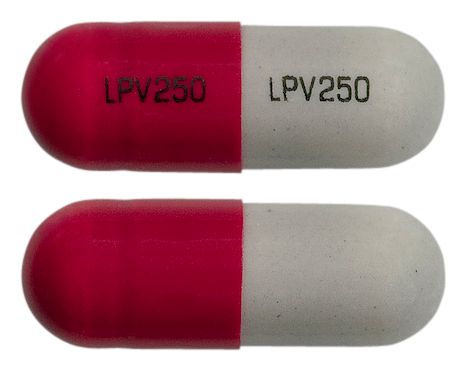
Images © Medicines Information Pty Ltd.
Do I need a prescription?
These medicine packs are available from a pharmacist and requires a prescription. It is Schedule 4: Prescription Only Medicine.
- 25 capsules
- 50 capsules
Source: ARTG
Is this medicine subsidised?
This medicine was verified as available on the Pharmaceutical Benefits Scheme (PBS) on 1 November 2026, under the following PBS item codes:
Ask your pharmacist or doctor about your eligibility
Source: PBS
Pregnant or planning a pregnancy?
For the active ingredient: Phenoxymethylpenicillin
This medicine is generally considered safe during pregnancy if taken as directed. During pregnancy, you should discuss your medicine use with your doctor or pharmacist.
Source: AHT
Reporting side effects
If you experience a side effect from this medicine, tell your doctor or pharmacist. Or report it directly to the TGA (Therapeutic Goods Administration).
You can report side effects to your doctor, or directly at Report an adverse event or safety problem (Opens in new tab)
Source: ARTG
Data sources
- Australian Health Thesaurus (AHT) (Opens in new tab) – Last updated on 4 November 2026
- Australian Medicines Terminology (AMT) (Opens in new tab) – Last updated on 4 November 2026
- Australian Register of Therapeutic Goods (ARTG) (Opens in new tab) – Last updated on 4 November 2026
- Pharmaceutical Benefits Scheme (PBS) (Opens in new tab) – Last updated on 4 November 2026
- Medicines Information Pty Ltd (Opens in new tab) – Last updated on 4 November 2026
Disclaimer
Healthdirect medicines information is not intended for use in an emergency. If you are suffering an acute illness, overdose, or emergency condition, call triple zero (000) and ask for an ambulance.
Reasonable care has been taken to provide accurate information at the time of creation. This information is not intended to substitute medical advice, diagnosis or treatment and should not be exclusively relied on to manage or diagnose a medical condition. Please refer to our terms and conditions (Opens in new tab).
Symptom Checker
Worried about your health?
Select a symptom, answer some questions, get advice