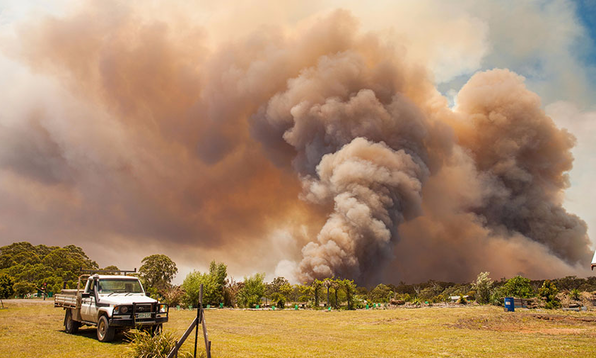
Bushfires and your health
Understand your level of bushfire risk so you can prepare your property and protect your health.

Natural disasters in Australia can include:
Natural disasters can be tough on people and their communities, and can even lead to loss of life. Here are some tips to get ready and how to cope during and after extreme weather events.
It's best to prepare for a natural disaster or emergency before it happens. These events are becoming more frequent, can be more severe and can happen suddenly.
The Australian Red Cross (Opens in new tab) offers an emergency REDiPlan (Opens in new tab), which you can download and fill out, or download their Get Prepared app (Opens in new tab). This outlines 4 steps to prepare your household for an emergency such as a natural disaster:
Understand your level of bushfire risk so you can prepare your property and protect your health.
Learn about some of the health risks and hazards that can occur during floods and cyclones.
In Australia, the Australian Warning System (AWS) (Opens in new tab) is used to share important information about natural disasters. It's a national system with consistent icons, colours and messages. This ensures that no matter where you are in the country, you'll know what each warning means and what to do.
You can find official alerts on:
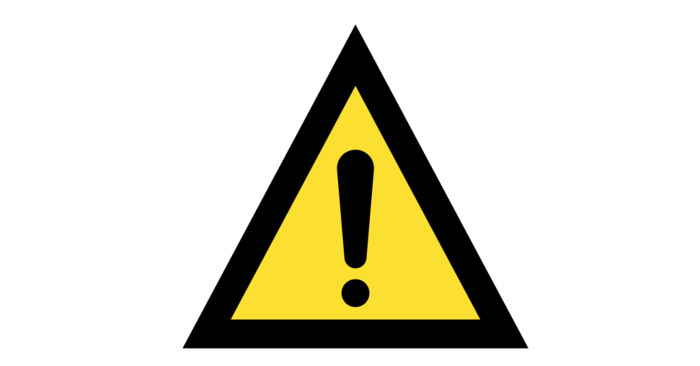
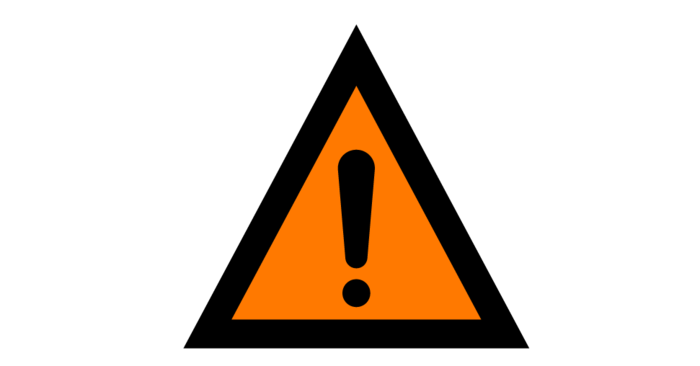
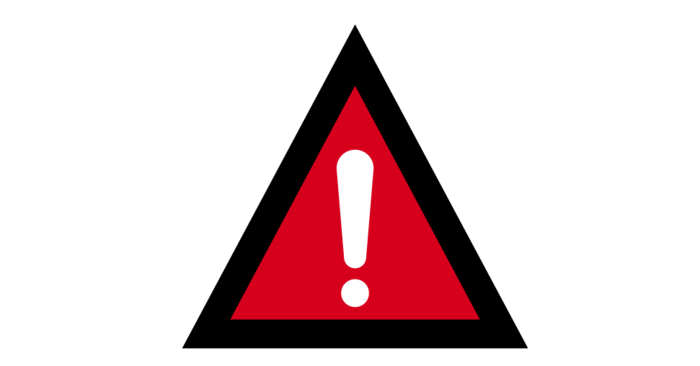
There are three main AWS warning levels, each with a colour and clear "call to action":
You might also hear the Standard Emergency Warning Signal (SEWS), a unique siren that plays on the radio or television before an important safety message.
In some situations you may receive emergency alerts on your phone. Emergency Alert (Opens in new tab) is the government-funded national telephone-based warning system that makes calls to landlines and texts to mobile phones. Emergency Alerts are not always guaranteed. It is important to be aware of what is happening around you and for you to act the moment you know there is danger.
Getting emotionally ready for natural disasters is important. It can help you feel more confident and in control. This helps you make better emergency plans. It can also help lower your stress and reduce long-term mental health problems that may happen from the trauma of being in a natural disaster.
The Australian Psychological Society outlines 4 steps to being psychologically prepared (Opens in new tab), using the acronym 'AIME' (for Anticipate. Identify. Manage. Engage):
| Letter | Representing | What to do |
|---|---|---|
| A | Anticipate | Anticipate that you will feel worried or anxious and remember these are normal responses to a possible life-threatening situation. |
| I | Identify | Identify the exact physical feelings associated with anxiety and whether you are having any scary thoughts that are adding to the fear. |
| M | Manage | Manage your responses using controlled breathing and self-talk to stay as calm as possible so you can focus on the practical tasks that need your attention. |
| E | Engage | Engage with at least one person you trust to help you feel connected, more supported and less alone. |
Read about preparing children for a natural disaster (Opens in new tab) on Pregnancy, Birth and Baby's website.
Being ready and knowing what to expect can help you cope during a natural disaster. It is important to stay safe, connected and informed, and follow your emergency plan.
Tips on how to cope during a natural disaster:
After the disaster is over, it may still affect you emotionally. Common feelings include shock, anger, helplessness, sadness and fear. You may worry about the safety of family and friends, or about another disaster happening again.
These are all normal feelings. Talk about it and seek support from friends, family and your community.
You can also talk to your doctor to access support that could help you after a disaster, or to organisations such as Beyond Blue (Opens in new tab) and Lifeline (Opens in new tab).
You may be eligible for help with your finances.
Check your insurance policy or call your insurer to find out what's covered.
The Australian Government Disaster Assist (Opens in new tab) website provides information about financial assistance following a natural disaster. You may be eligible for natural disaster support.
Visit Services Australia (Opens in new tab) for more information.
You can find more resources and support at:
Check the State Emergency Services (SES) available in each state and territory:
Find out how we develop and review our content.
Last reviewed: August 2025


Worried about your health?
Select a symptom, answer some questions, get advice